
Description
- Date: November 20, 2018
- Categories: Product Design
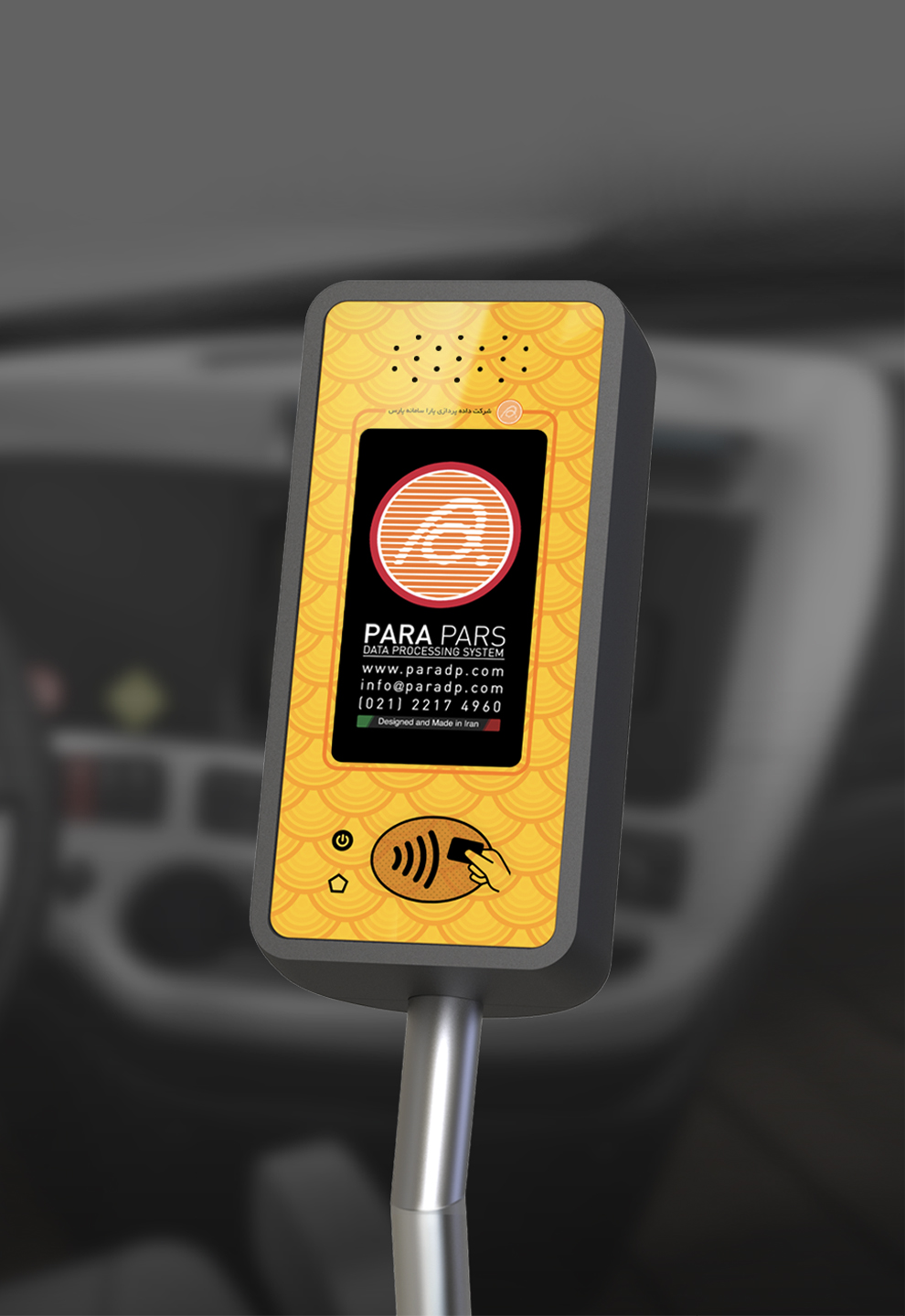
- System Design: We began by thoroughly analyzing the employer requirements to understand the specifications and expectations for the 115 public bus payment system units. Based on this analysis, we developed a detailed system design that addressed all functional and technical requirements.
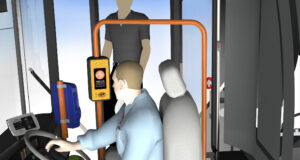
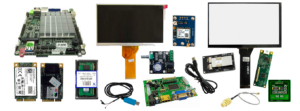
- Component Sourcing: Our next step involved identifying and sourcing essential electrical components, including industrial compact PCs, monitors, card readers, power supplies, and servers. We conducted market research to ensure we selected high-quality components that met our performance standards.
- Budgeting and Pricing: Given that this was our first experience with such a project, we strategically formulated a competitive pricing proposal while allowing for contingencies to accommodate any unforeseen challenges. Our proposal was successful, and we were awarded the tender.
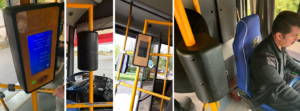
- Prototyping and Iteration: Our initial design underwent two revisions based on valuable feedback from the Shahr-e-Kord municipality. After incorporating their suggestions and refining our designs, we successfully presented a prototype to our employer for approval. Following the prototype’s validation, we moved forward with the production of 115 payment units. These units are specifically designed to connect with the second door of the bus and draw power from the bus battery, ensuring seamless integration and functionality within the existing system. This collaborative process highlights our commitment to meeting client needs and delivering high-quality solutions.
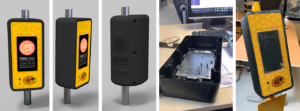
- Software Development: In the next phase of the project, we focused on programming the software to effectively manage various system scenarios and requirements. This included developing a comprehensive dashboard for the management team that would allow them to monitor real-time data related to the buses. Key features of the software included:
- Real-Time Bus Tracking: The system was designed to track buses on a digital map, providing live updates on their locations and schedules. This feature enables managers to easily see which buses are currently in operation and their estimated arrival times.
- Driver Information: The software displays details about the drivers operating each bus, ensuring that management can quickly identify personnel and address any issues that may arise.
- Financial Analytics: The system tracks revenue generated by each bus, allowing managers to analyze financial performance and make informed decisions regarding operations.
- Passenger Data: The software records the number of passengers served by each bus, providing valuable insights into ridership trends and helping to optimize service routes.
- RFID Card Management: Each payment unit is equipped with RFID technology to verify passenger cards. The system can charge or decharge cards based on transactions, ensuring a smooth payment process for users.
- LTE Connectivity: Each unit operates on an LTE (SIM card) network, allowing for continuous connectivity. This ensures that all units are individually connected to the network at all times, facilitating real-time data transmission and communication.
- By integrating these functionalities, we aimed to create a robust software solution that enhances operational efficiency, improves customer service, and provides valuable analytics for the management team. This comprehensive approach ensures that all aspects of bus operations are monitored and managed effectively.
- User Interface (UI) and User Experience (UX) Design: We developed intuitive UI/UX designs tailored for both customers using the payment modules and Bus activities manager monitoring system operations. This involved creating dashboards that provided real-time insights into bus positions, payments, customers activities, and revenue generation.

- Payment System Integration: To facilitate customer payments, we integrated our system with multiple banking protocols, enabling secure transactions via bank cards. This integration was essential for enhancing the user experience and ensuring financial reliability.
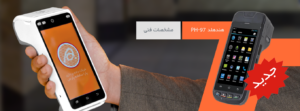
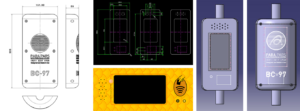
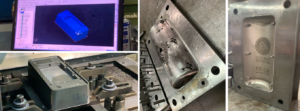
- Molding and Structural Design: Following the successful 3D printing of our prototype, we decided to create a plastic injection mold for the production of 130 units, ensuring the necessary precision and detail.One of the primary challenges in this phase was to design a robust case capable of securely housing all components while being mounted on a pole to withstand the vibrations from the bus. Additionally, the design needed to be dust-proof and incorporate features to prevent overheating, thereby protecting the electronic components from potential damage.
- Module Assembly: Upon receipt of the electrical components, we designed a PVC connecting framework to ensure seamless integration of all components within each module. This step was crucial for maintaining functionality and ease of maintenance. The primary challenge in this project was to engineer components that effectively absorb vibrations and shocks generated by the bus pole, while simultaneously ensuring a dust-proof design. Our approach involved a thorough analysis of the dynamic forces at play, allowing us to develop innovative solutions that enhance performance and durability. The integration of advanced materials and design techniques was essential in achieving optimal vibration dampening, all while maintaining stringent standards for environmental protection. This dual focus on functionality and resilience underscores our commitment to delivering high-quality, reliable products.
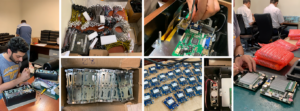
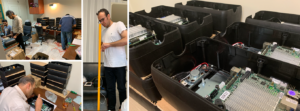
- On-Site Assembly Job: After the assembly of the BC-97 units at our manufacturing site, we needed to take these assembled units and move them to Shahr-e-kord, located 750 km from our head office. This was my first experience as a manager, overseeing a team and assigning leadership roles to a smaller group outside of Tehran. This phase of the project presented significant challenges. We successfully wired and assembled each unit to a unique bus; however, we could only work at night when buses were not in operation. The winter conditions and the lack of effective on-site management extended our assembly timeline. Despite these obstacles, we remained focused on delivering quality results.
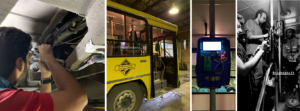
- Implementation and Expansion: Over 12 months, we successfully completed the project and up until today they are working and live working for the municipality of Shahr-e-Kord.
What I learned?
Project Approval & Pricing
- Presented initial product concept to the municipal board, receiving approval after adjustments.
- Conducted pricing analysis for the first-time production of a daily-use system for public buses.
- Addressed usability concerns, ensuring accessibility for both passengers and bus drivers unfamiliar with the technology.
Component Sourcing & Manufacturing
- Submitted pricing documents to the municipality, securing a deposit to commence production.
- Partnered with a leading Iranian importer to source electronic components from China.
- Initiated mould production for the payment module at the in-house factory.
Project Delays & Risk Management
- Encountered a two-month delay due to LTE modem security requirements at customs.
- Managed employer expectations while accelerating project timelines to compensate for setbacks.
- Implemented budget control strategies, using profits to expand the workforce and maintain progress.
Production & Installation
- Manufactured 115 units while coordinating logistics for a remote installation site 10 hours from Tehran.
- Assembled a six-person installation team, managing travel, accommodations, and on-site operations.
- Overcame technical challenges of integrating systems into operational buses with varying power sources and layouts.
System Integration & Final Deployment
- Ensured smooth payment processing by integrating the system with the banking network.
- Delivered a functional management panel for the municipality to monitor and control bus operations.
- Navigated contract complexities and municipality relations to maintain compliance and service quality.
Key Takeaways & Leadership Growth
- Developed expertise in handling large-scale, high-pressure projects with strict deadlines.
- Gained experience in remote team management, conflict resolution, and stakeholder communication.
- Learned to balance budgeting constraints with operational efficiency to drive project completion.