
- Date: March 3, 2014
- Categories: Product Design
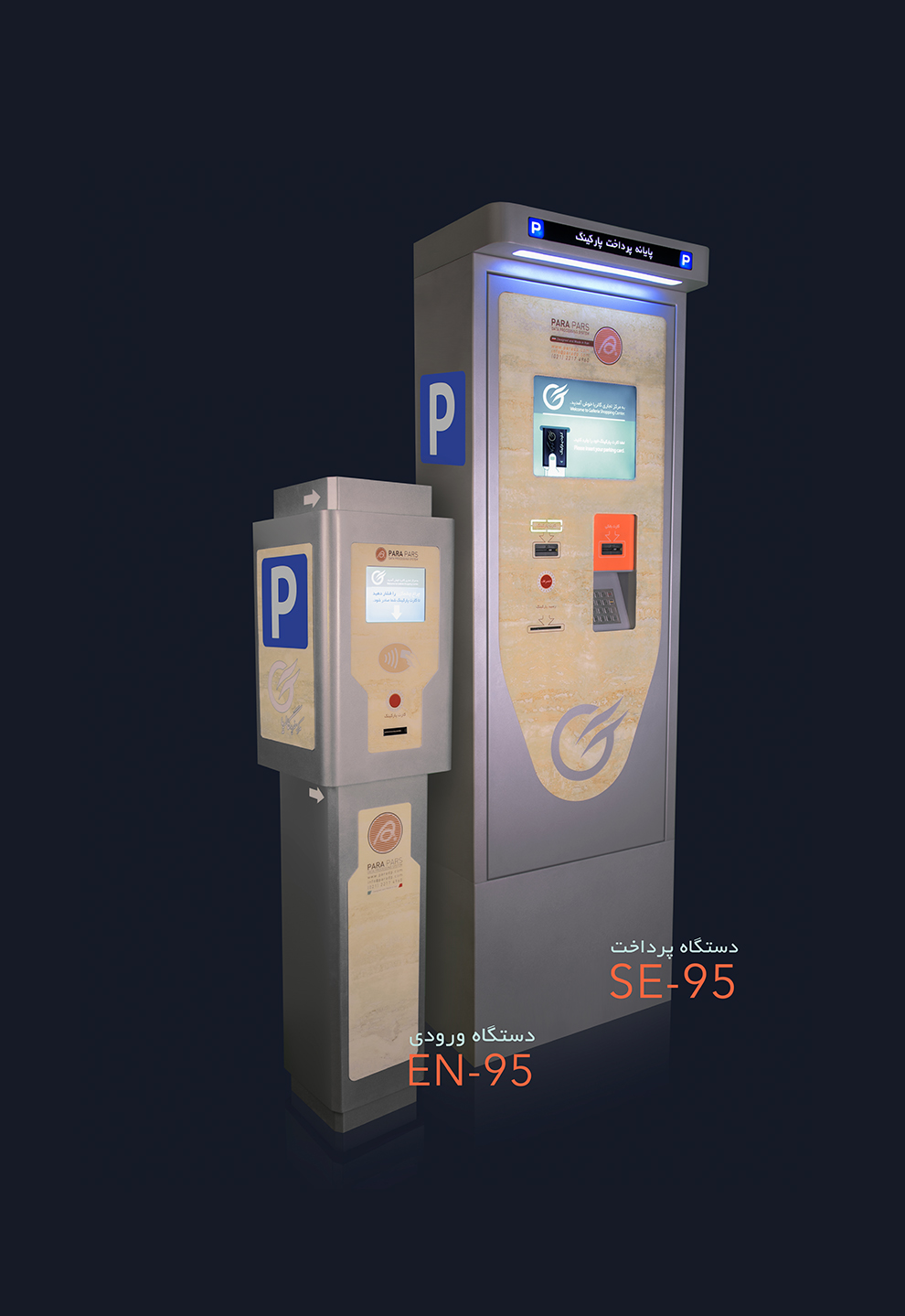

In response to a public tender advertised in a local newspaper, my team and I successfully designed and implemented a comprehensive parking payment and validation system for a shopping center. Below are the key steps undertaken during this project:
1. Tender Analysis and System Design: We began by thoroughly analyzing the tender requirements to understand the specifications and expectations for the parking system. Based on this analysis, we developed a detailed system design that addressed all functional and technical requirements.
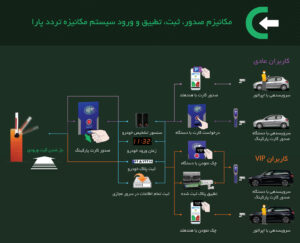
2. Component Sourcing: Our next step involved identifying and sourcing essential electrical components, including industrial PCs, monitors, card readers, payment kiosks, power supplies, and servers. We conducted market research to ensure we selected high-quality components that met our performance standards.
3. Competitive Pricing and Tender Submission: Given that this was our first experience with such a project, we strategically formulated a competitive pricing proposal while allowing for contingencies to accommodate any unforeseen challenges. Our proposal was successful, and we were awarded the tender.
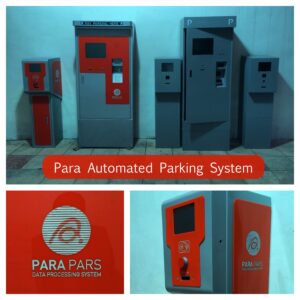
4. Prototyping and Iteration: Our initial design underwent two revisions based on feedback from stakeholders. After refining our designs, we presented a prototype to our employer for approval before proceeding with the production of 15 kiosks and three entrance modules along with two exit modules.
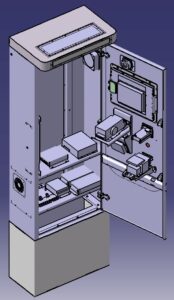
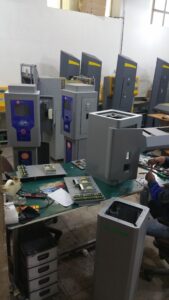
5. Module Assembly: Upon receipt of the electrical components, we designed a PVC connecting framework to ensure seamless integration of all components within each module. This step was crucial for maintaining functionality and ease of maintenance.
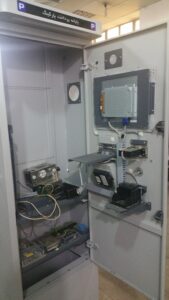
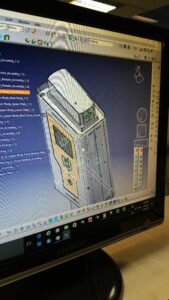
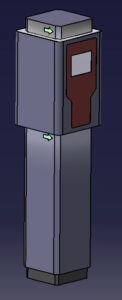
6. Software Development: The next phase involved programming the software to manage various system scenarios, including vehicle entry and exit, payment processing at kiosks, and manual exit payments. We focused on creating a robust software architecture that could handle real-time transactions.

7. User Interface (UI) and User Experience (UX) Design: We developed intuitive UI/UX designs tailored for both customers using the payment kiosks and parking managers monitoring system operations. This involved creating dashboards that provided real-time insights into parking occupancy and revenue generation.
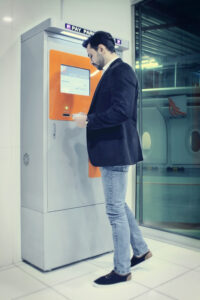

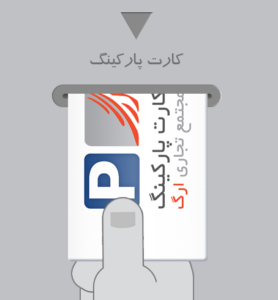
8. Payment System Integration: To facilitate customer payments, we integrated our system with multiple banking protocols, enabling secure transactions via bank cards. This integration was essential for enhancing the user experience and ensuring financial reliability.
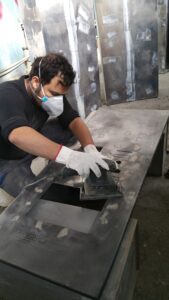
9. Project Planning and Component Manufacturing: With a three-month timeline for design and manufacturing, we initiated the project by ordering the necessary components from our international suppliers. Simultaneously, we began fabricating the physical enclosures for the electrical components, which would eventually serve as our input/output modules, exit modules, and payment kiosks.
10. Assembly and Vandalism-Proofing: Once the software was finalized, we assembled the electronic components within their enclosures. Collaborating with our industrial designer, we ensured that the kiosks were not only aesthetically pleasing but also vandalism-resistant while allowing for easy access for maintenance.
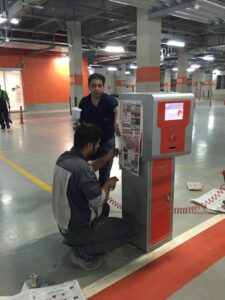
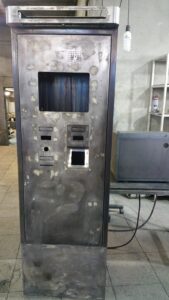
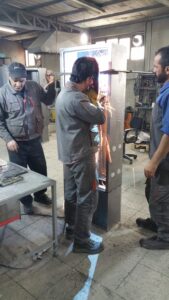
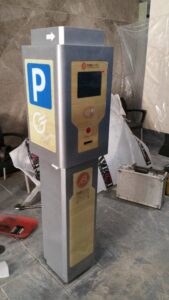
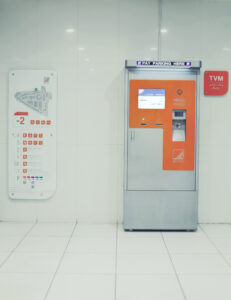
11. Implementation and Expansion: Over four months, we successfully completed the project. Following this success, we were approached by additional shopping centers in Tehran, leading to collaborations with ten prominent centers over four years. Each project had the capacity to accommodate between 500 to 2,000 vehicles, with individual project values exceeding $100,000.

What I learned?
As a manager of this project, I gained invaluable experience in navigating the complexities of participating in an official tender for a public parking payment and validation system. Here are the key lessons and insights I gathered throughout the process:
1. Understanding Tender Requirements: The first step was to thoroughly understand the requirements outlined in the tender documents. This involved analyzing specifications, deliverables, and deadlines to ensure our proposal met all criteria.
2. Establishing an Official Company: To participate in the tender, it was essential to have a registered and official company. This not only legitimized our bid but also instilled confidence in stakeholders regarding our capability to deliver the project.
3. Building the Right Team: I learned the importance of assembling a skilled and diverse team that included software developers, electronic engineers, and mechanical designers. Each member brought specialized knowledge that was crucial for the project’s success.
4. Component Sourcing and Pricing: Identifying high-quality components at competitive prices was vital. I coordinated with suppliers to ensure we sourced reliable electronic and mechanical components while maintaining budget constraints.
5. Scheduling and Timelines: Effective project management required meticulous scheduling and timing. I developed a timeline that accounted for every phase of the project, from design to implementation, ensuring we could meet delivery deadlines.
6. Budgeting and Accounting: I implemented a comprehensive budgeting strategy that included all costs associated with the project, from component procurement to labor. This financial oversight was critical for maintaining profitability while delivering quality.
7. Interdepartmental Collaboration: One of my key roles was to facilitate communication between the software department and the electronic/mechanical teams. Regular meetings ensured that everyone was aligned on project goals and timelines, allowing us to address any issues promptly.
8. User-Centric Design: We focused on creating user-friendly kiosks that were visually appealing, easy to use, and resistant to vandalism. Collaborating with industrial designers helped us create enclosures that met these criteria while reflecting the luxury brand of the shopping centers.
9. System Implementation: I oversaw the installation and setup of each module in designated locations within the parking facilities. This required careful planning to ensure optimal functionality and accessibility for users.
10. System Guarantee and After-Sales Support: I emphasized the importance of providing a robust guarantee for our system and establishing an after-sales service plan. This commitment to support helped build trust with our clients and ensured their satisfaction.
11. Customization for Branding: Each shopping center had unique branding needs, so we tailored our system to align with their specific requirements. This customization enhanced user experience and reinforced the shopping center’s identity.
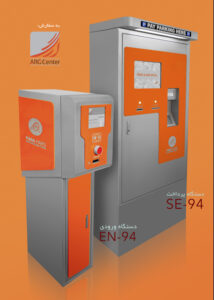
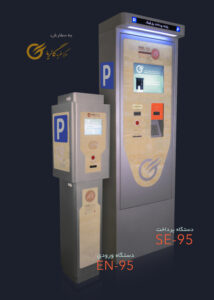
12. Daily Management Control: The implementation of a centralized management system allowed parking managers to monitor operations effectively. This included tracking occupancy rates, revenue generation, and addressing any operational challenges in real-time.
13. Marketing and Advertising Initiative: Following the success of our first project, I recognized the importance of effectively showcasing our product to potential customers. To achieve this, I leveraged my creative skills to develop a comprehensive marketing strategy that included:
- General Catalogues: I designed an engaging general catalogue that highlighted the features and benefits of our product, making it easy for potential clients to understand its value.
- Single Page Catalogues: For quick reference, I created concise single-page catalogues that captured the essence of our offerings, ideal for busy decision-makers.
- Promotional Videos: I produced compelling videos that visually demonstrated our product in action, showcasing its practicality and effectiveness in real-world scenarios.
- Website Development: I spearheaded the creation of a user-friendly website that served as a central hub for information about our product, including detailed descriptions, testimonials, and contact options.
- Outreach to Shopping Center Owners: I initiated direct outreach to shopping center owners and large public parking sector operators, presenting our product as a valuable solution to their needs.
Through these efforts, I aimed to establish strong relationships with potential clients and position our product as a must-have in the market. I developed a comprehensive understanding of project management, from initial tender participation to final implementation and ongoing support. This experience has equipped me with the skills necessary to lead complex projects successfully while fostering collaboration among diverse teams.